

Why Gutter installation Is Crucial for Arkansas ecosystems
Successful gutter installation in Arkansas plays a important part in protecting the state's varied habitats. As a region with a bountiful natural area, Arkansas is dwelling to rivers that count on proper liquid control. Gutters are higher than just a functional enhancement to a home—they are a critical part of eco-friendly stewardship. By directing rainwater away from buildings and into appointed water networks, gutters assist reduce the environmental consequence of liquid runoff.
Arkansas's habitats are delicate to alterations in liquid current and soil stability. Without effective gutter setup, rainwater can degrade earth, damage vegetation life, and interfere the native equilibrium of nearby ecosystems. The eco-friendly consequence of poor water control can be extensive affecting both creatures and individuals populations. In areas like the Ouachita Hills, where the terrain is steep and the possibility of erosion is significant, gutters are essential for sustaining property protection and preventing harm to the adjacent environment.
Water management is a critical part of environmental protection in Arkansas. The region encounters a selection of precipitation patterns, from cyclical storms to prolonged times of water. A correctly installed gutter system ensures that water is effectively directed away from dwellings and into suitable runoff systems, minimizing the possibility of waterlogging and earth degradation. This not only benefits the ecosystem but also adds to the long-term sustainability of Arkansas populations.
How Gutters stop Earth Soil Loss in Arkansas
Soil land degradation is a critical challenge in Arkansas, mainly in areas with strong rainfall and steep terrain. Without proper water handling, water can sweep away important surface soil, leading to ground degradation and reduction of productive earth. Gutters play a important function in avoiding this by leading water away from the foundation of buildings and into specified drainage places.
The Arkansas terrain changes widely, from the rolling hills of the Ozark Mountains to the flat plains of the Mississippi River Valley. In hilly areas, such as the Ouachita Mountains, gutters support control the flow of water and reduce the risk of landslides and soil displacement. By managing water runoff, gutters support land preservation and shield the natural landscape from the damaging effects of erosion.
Rainfall patterns in Arkansas are another factor that influences soil erosion. The state receives an average of 50 inches of rainfall annually, with some areas experiencing more intense storms. In these regions, gutters are vital for managing water flow and avoiding wear to both natural and built environments. Correct gutter installation ensures that rainwater is directed away from the property and into appropriate drainage setups, reducing the risk of soil erosion and safeguarding the surrounding ecosystem.
Gutters and Water Conservation in Arkansas Communities
Water conservation is a growing concern in Arkansas, where the demand for clean water is increasing due to population growth and agricultural calls for. Gutters can play a role in this effort by supporting to capture and manage rainwater efficiently. In some cases, homeowners can use gutters to collect rainwater for non-potable uses, such as irrigation or cleaning, lowering the in general demand on local water supplies.
Arkansas cities, including Little Rock and Fayetteville, are increasingly focusing on sustainable practices to confirm long-term water availability. These communities are investing in stormwater management setups that work in conjunction with gutter installation to boost water conservation. By directing rainwater into retention basins or cisterns, gutters contribute to a more efficient use of natural resources.
Sustainability is a key goal for many Arkansas communities, and correct gutter installation is an important part of this effort. When gutters are installed correctly, they help reduce the amount of water that flows into storm drains and natural waterways, preventing pollution and preserving water quality. This is especially important in urban areas, where runoff can carry pollutants into local rivers and lakes.
Weather-Related Features of Gutter Installation in Arkansas
Arkansas's climate is characterized by a mix of humid subtropical and temperate conditions, with hot summers and mild winters. This climate presents unique challenges for water management, making correct gutter installation crucial for safeguarding homes and the environment. The state's weather patterns, including regular thunderstorms and high humidity, require gutters that can withstand heavy rainfall and moisture buildup.
Stormwater management is a vital aspect of gutter installation in Arkansas. Without practical drainage, rainwater can accumulate around homes, leading to flooding, basement damage, and structural concerns. Gutters assist stop these problems by channeling water away from the home and into designated drainage systems. This not only shields homes but also lowers the strain on local waterways and avoids water from pooling in natural areas.
Flood prevention is another key benefit of correct gutter installation in Arkansas. The state has experienced significant flooding in the past, particularly in low-lying areas and near major rivers. Gutters help manage water runoff by directing it away from homes and into storm drains or retention basins. This reduces the risk of flooding and protects both property and the environment from the damaging effects of excessive water.
How Arkansas's Humid Climate Affects Gutter Performance
Arkansas's humid climate presents specific challenges for gutter performance. High humidity levels can lead to moisture buildup, which can cause mold and mildew to develop on gutters and surrounding structures. Proper gutter installation and maintenance are essential for controlling moisture and preventing long-term damage.
Moisture control is a key consideration when installing gutters in Arkansas. Gutters must be designed to handle the high levels of humidity and frequent rainfall that the state experiences. Materials that resist corrosion and water damage are ideal for this environment. Regular maintenance, such as cleaning and inspecting gutters, helps ensure that they continue to function effectively in humid conditions.
Mold control is another crucial aspect of gutter maintenance in Arkansas. Excess humidity can create ideal conditions for mold growth, which can affect both the framework of a home and the health of its inhabitants. Gutters that are effectively installed and monitored help minimize the risk of mold by avoiding water from accumulating around the foundation and in other susceptible areas.
Gutter Installation in Arkansas cities Like Little Rock and Fayetteville
In areas like Little Rock and Fayetteville, gutter placement plays a essential role in city drainage. These locations are situated in regions with high rainfall and common thunderstorms, making efficient water control vital. Effective gutter installations help stop water from collecting around homes and structures, reducing the chance of waterlogging and injury.
Metropolitan drainage is a rising issue in Arkansas cities, where the growth of facilities can alter inherent water current trends. Gutters support manage rainwater by directing it away from buildings and into rain drains or holding systems. This supports lower the load on local streams and avoids water from collecting in streets and public spaces.
In Little Rock, for example, the city's runoff control system functions in conjunction with residential gutter placements to guarantee that stormwater is effectively channeled away from residences and into assigned sewage locations. Corresponding actions are in progress in Fayetteville, where the town's moist temperate weather requires gutters that can manage heavy precipitation and high dampness. https://codimd.syssec.org/zkBIaJ4wSWaYgTGa-3OVfg
Choosing the Right Gutter Materials for Arkansas
Selecting the right gutter materials is essential for ensuring long-term performance and eco benefits in Arkansas. The area's environment, with its combination of significant precipitation and intense moisture, requires gutters that are sturdy and capable to rust. Choosing the right materials can also contribute to eco-friendliness and environmentally friendly approaches.
Sturdy choices for gutter components include aluminium. Metal and plastic. Each of these materials has its own benefits and is ideal to diverse scenarios. Aluminum is not heavy and resistant to degradation, making it a popular selection for many residents in Arkansas. Metal gutters are sturdy and enduring, but they may require extra protection against corrosion. Vinyl gutters are a affordable selection that is simple to put in and look after.
Eco-friendly options are becoming increasingly crucial in Arkansas, where eco security is a expanding problem. Components that are eco-friendly and have a low eco effect are selected by many property owners. For example, some gutter installations are made from recycled components, lowering the entire carbon impact of the setup.
Best Gutter Materials for Arkansas's Climate
Aluminium is one of the most favored options for gutter installation in Arkansas. It is easy to carry, rust-proof, and simple to look after. These qualities make it ideal for the region's moist climate and common rainfall. Aluminium gutters are also present in a selection of tints, enabling residents to choose a design that goes with their home's exterior. https://notes.io/eLuRV
Metal gutters are another choice that provides durability and strength. They are suitable for zones with substantial rainfall and intense winds, as they can withstand the impact of large quantities of water. However, iron gutters may require extra security against degradation, especially in areas with intense humidity. Protective layers or coatings can assist lengthen their lifespan and enhance their functionality in Arkansas's climate.
Vinyl gutters are a budget-friendly and easy-to-care-for option for many homeowners. They are resistant to rust and corrosion, making them appropriate for Arkansas's wet conditions. Vinyl gutters are also easy to install and come in a selection of shades, allowing for a customizable look. While they may not be as sturdy as metal options, they are a practical choice for many homes in the state.
Sustainability and Longevity of Gutter Systems in Arkansas
Sustainable materials are gaining more significance in gutter installation, as more homeowners look for eco-conscious choices. In Arkansas, where ecological preservation is a rising concern, using sustainable materials can aid in lowering the overall impact of gutter systems on the local environment. Materials such as reused aluminum or vinyl can provide long-lasting performance while reducing waste and resource consumption.
Long-lasting gutters are essential for reducing the need for constant replacements, which can have environmental and monetary benefits. In Arkansas, where the climate can be extreme, choosing gutters that are designed for longevity is crucial. Correct setup and frequent upkeep can aid in prolonging the duration of gutter systems, guaranteeing they stay operational for long periods.
Arkansas maintenance practices also have an impact in the sustainability of gutter systems. Frequent washing and review help avoid blockages and injury, making sure that gutters continue to perform as expected. This ensures the protection residences but also reduces the green footprint of water runoff and soil erosion.
FAQ
What constitutes the most frequent types of gutters used in Arkansas?
In Arkansas, the most typical types of gutters include aluminum, steel, and vinyl. These materials are chosen for their durability and ability to withstand the state's humid climate and frequent rainfall. Each type has its own advantages, making them suitable for different homes and environments. For reliable Gutter Installation in Arkansas in Arkansas, AGM Gutters offers experienced guidance and effective options.
How do climate conditions in Arkansas affect gutter installation?
Arkansas's climate, characterized by high humidity and frequent rainfall, needs gutters that can manage heavy water flow and moisture buildup. Appropriate installation is crucial to ensure that gutters function reliably in these conditions, stopping issues such as mold growth and water wear.
What materials are best suited for Arkansas weather?
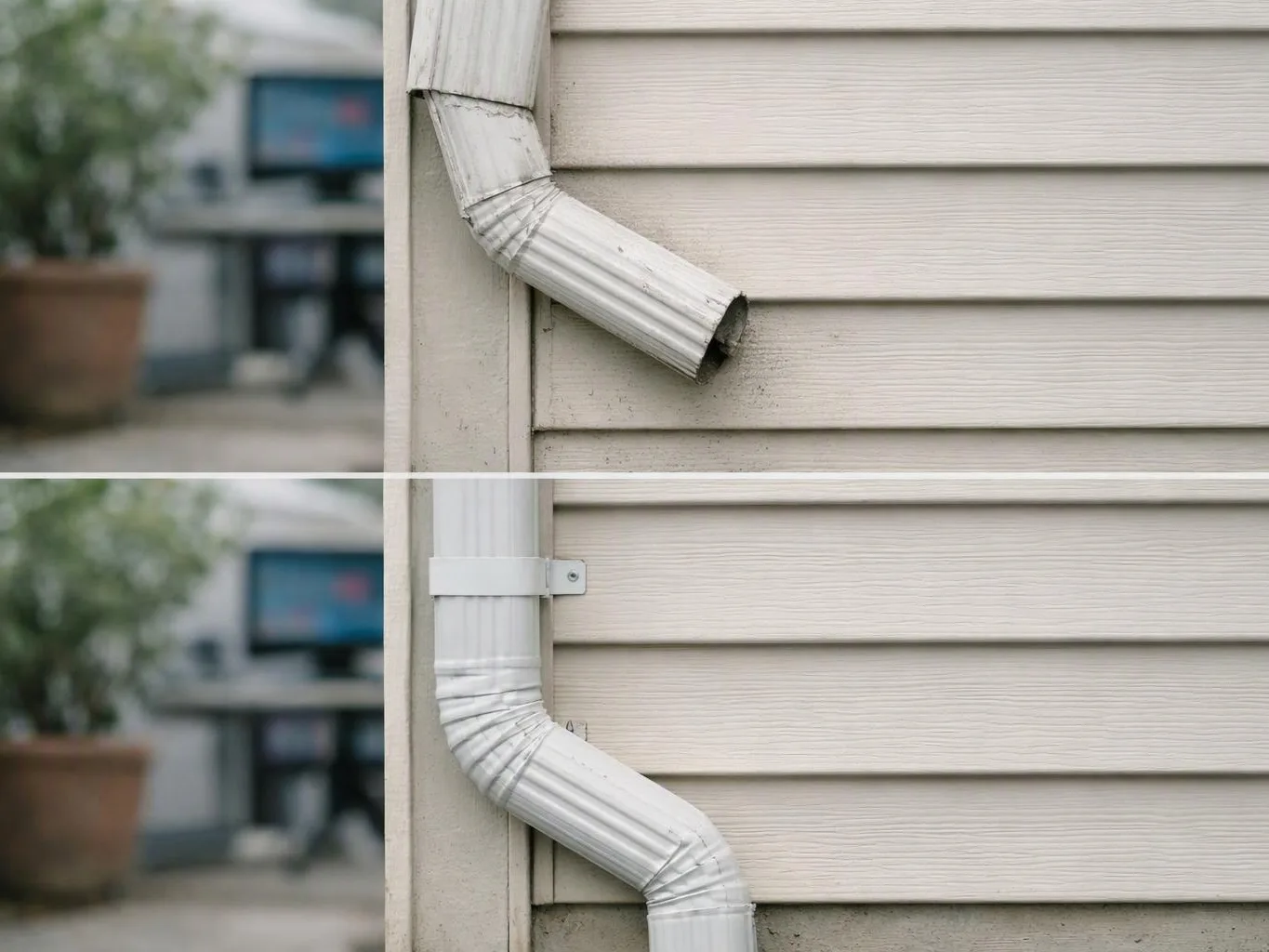
For Arkansas's weather, materials like aluminum, steel, and vinyl are best suited. Aluminum is lightweight and resistant to rust, making it ideal for the state's humid conditions. Steel offers strength and durability, while vinyl is a cost-effective and easy-to-uphold option.
What is the typical cost of gutter installation in Arkansas?
The cost of gutter installation in Arkansas can vary depending on the materials used and the size of the home. On average, homeowners can expect to pay between $3 and $10 per linear foot for installation. This range includes both labor and materials, with higher-end options costing more.
How often should gutters be cleaned in Arkansas?
In Arkansas, gutters should be cleaned at least two times a year to ensure they function properly. More frequent cleaning may be necessary in areas with heavy tree coverage or frequent rainfall. Regular maintenance helps prevent clogs and damage, ensuring that gutters continue to protect homes and the environment.